For GameLagFix, the word best means practical. A game is better if it runs smoothly on common phones, respects storage, works on normal connections, and does not require constant tweaking. An app is better if it solves a clear problem without adding more clutter in the background.
This list is written for everyday Android users, especially people who care about smoother play, lower storage pressure, and fewer failed downloads. It is less about hype and more about what survives normal use.
When an app is worth keeping
An app earns its space when you use it often and can explain exactly what it does for you. A file manager helps if you regularly handle APKs, screenshots, or large downloads. A lightweight browser helps if your default browser feels slow or stores too much cache. A monitoring app helps if you are diagnosing ping, FPS, or heat. If an app sits unused while sending notifications, remove it. Keeping fewer tools makes it easier to notice which one actually improves gaming.
Test on your own phone
Recommendation lists are helpful, but Android devices vary a lot. The same game can feel smooth on one budget phone and rough on another because of processor, RAM, storage speed, software skin, and heat management. After installing, test the app or game in a normal situation: same Wi-Fi, same brightness, same case, same room temperature. If it only works well after extreme cleanup, it may not be the right pick for daily use. The best option is the one that fits your real phone, not someone else’s benchmark.
Avoid risky download habits
For games and utility apps, trusted sources matter. Modified APKs, unknown boosters, and fake download buttons can bring malware, broken installs, or account bans. If you need an app for browsing, file management, or performance, choose one with a clear publisher, recent updates, understandable permissions, and normal reviews. If a site tries to push several installers before the real file, leave. A safe app that does slightly less is better than a risky app that promises everything.
Build a small gaming toolkit
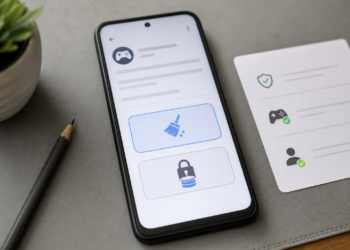
You do not need many utility apps. A practical Android gaming toolkit can be simple: a reliable browser for guides and downloads, a file manager for storage checks, the phone’s built-in game mode, and maybe one monitoring tool for heat or ping. Add games based on your storage and connection. This kind of setup keeps the phone light while still giving you enough control to solve common problems. The fewer moving parts you have, the easier it is to keep games smooth.
How to choose before installing
Before installing anything, check three things: total size, recent reviews, and whether the app or game still receives updates. Total size should include extra resources after launch, not just the store listing. Recent reviews often reveal crashes on certain phone models or heavy ads after updates. Updates matter because abandoned apps may stop working on newer Android versions. If your phone is older, also check whether players mention low RAM, heating, or storage problems. A two-minute check can save a long download that you delete the same day.
Look for stable performance, not the highest graphics
The best Android experience is not always the prettiest one. A game that holds steady settings for a full session is more enjoyable than a game that looks sharp but stutters after the phone warms up. Look for games with adjustable graphics, frame-rate limits, offline modes, and smaller maps or levels. For utility apps, look for simple settings and low background use. Apps that constantly clean, scan, notify, and advertise may slow the phone more than they help. Stability should be the first feature.
Storage matters more than people expect
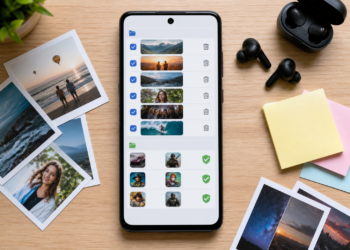
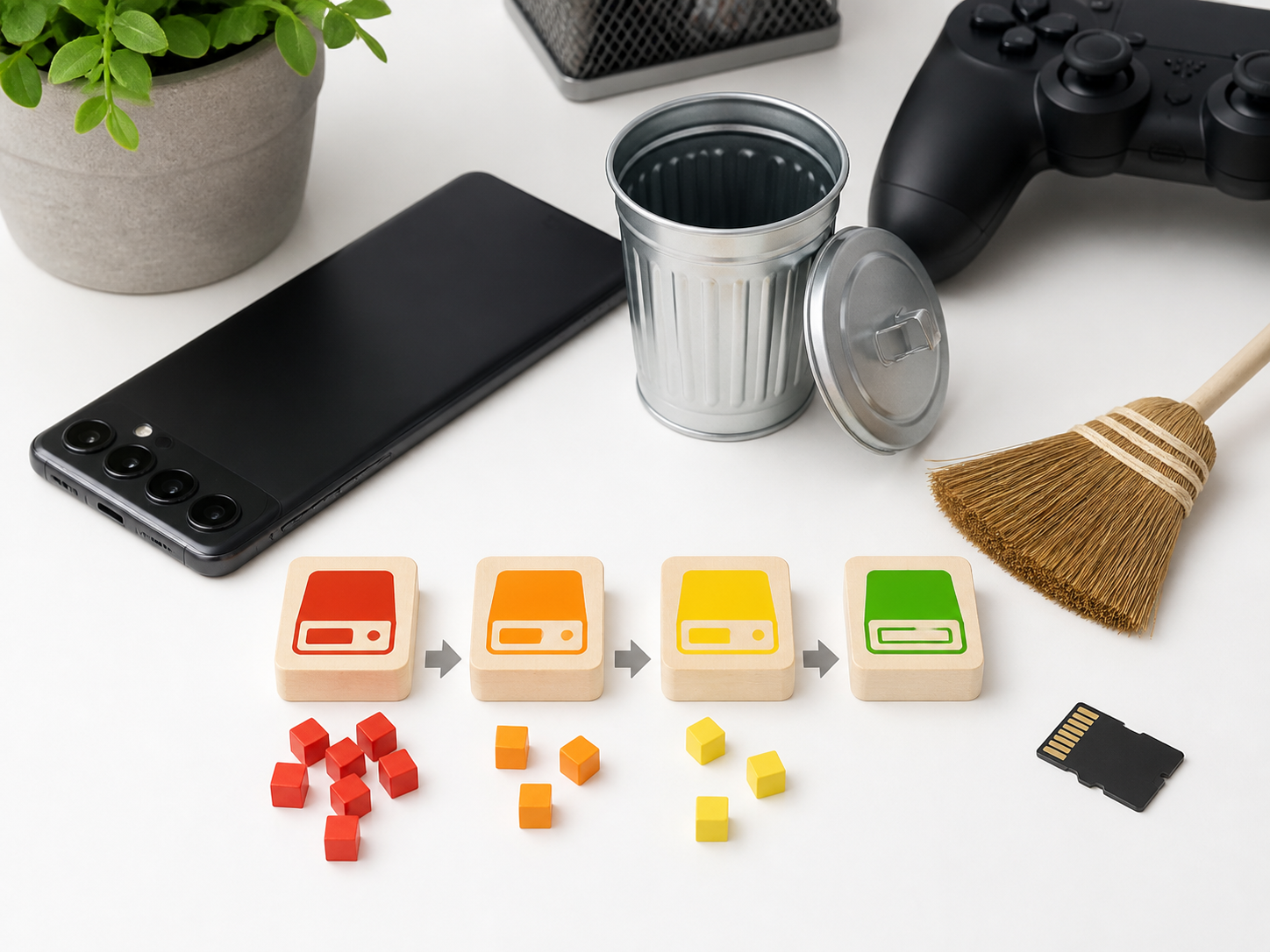
Storage-friendly games and apps are easier to live with. Large games can grow through updates, maps, skins, voice packs, and temporary files. Browsers and download tools can also fill the phone if they keep every file forever. Choose apps that let you clear cache, change download folders, or remove unused resources. If your phone has limited storage, avoid installing several similar tools at once. One reliable browser, one file manager, and a few well-chosen games are better than a crowded home screen full of half-used apps.
Bottom line
If you are using an older or low-storage Android phone, choose lighter games and focused utility apps. Smooth play comes from the whole setup, not from one title or one booster button.
For browsers and file tools, check how easy it is to clear downloads and cache. A useful app should help you manage storage instead of becoming another place where files disappear.
If you are comparing two similar options, choose the one with clearer settings and fewer notifications. On Android, quiet apps often age better because they do not keep fighting for attention or background resources.