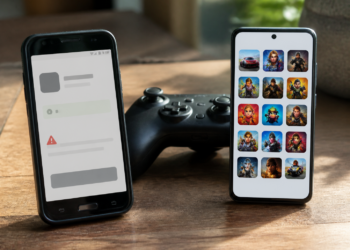
Not every popular game or app is friendly to older Android phones. Some look great in screenshots but become heavy after updates, resource downloads, ads, or background services. The better picks are the ones that match your device limits and still feel enjoyable after more than ten minutes of use.
One useful habit is to uninstall anything you do not use after a week. Games and tools can leave cache and background tasks behind, so keeping the phone simple often improves the experience more than another new app.
Be careful with ads and permissions
Free apps and games often use ads, but not all ad experiences are equal. Too many pop-ups, forced notifications, and background services can hurt performance and make the phone feel messy. Check permissions before installing. A browser needs web and storage access for downloads, but a simple puzzle game should not need broad access to contacts or messages. If an app asks for permissions that do not match its purpose, choose another option. High-quality free apps explain what they need and usually give you control over notifications.
When a game is worth trying
A game is worth trying if it matches how you actually play. If you play in short breaks, choose games with quick sessions and no long loading screens. If you like survival or sandbox games, look for clear crafting, manageable maps, and settings that can be lowered. If your phone heats easily, avoid games that require constant high frame rates. Try one game at a time and play long enough to feel whether it stays smooth. First impressions can be misleading because some games download extra resources after the tutorial.
When an app is worth keeping
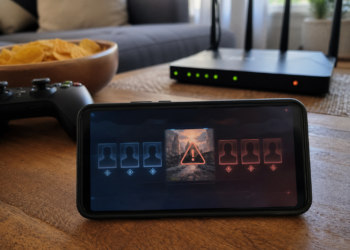
An app earns its space when you use it often and can explain exactly what it does for you. A file manager helps if you regularly handle APKs, screenshots, or large downloads. A lightweight browser helps if your default browser feels slow or stores too much cache. A monitoring app helps if you are diagnosing ping, FPS, or heat. If an app sits unused while sending notifications, remove it. Keeping fewer tools makes it easier to notice which one actually improves gaming.
Test on your own phone
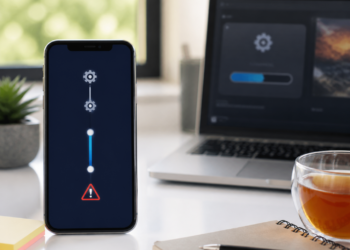
Recommendation lists are helpful, but Android devices vary a lot. The same game can feel smooth on one budget phone and rough on another because of processor, RAM, storage speed, software skin, and heat management. After installing, test the app or game in a normal situation: same Wi-Fi, same brightness, same case, same room temperature. If it only works well after extreme cleanup, it may not be the right pick for daily use. The best option is the one that fits your real phone, not someone else’s benchmark.
Avoid risky download habits
For games and utility apps, trusted sources matter. Modified APKs, unknown boosters, and fake download buttons can bring malware, broken installs, or account bans. If you need an app for browsing, file management, or performance, choose one with a clear publisher, recent updates, understandable permissions, and normal reviews. If a site tries to push several installers before the real file, leave. A safe app that does slightly less is better than a risky app that promises everything.
Build a small gaming toolkit
You do not need many utility apps. A practical Android gaming toolkit can be simple: a reliable browser for guides and downloads, a file manager for storage checks, the phone’s built-in game mode, and maybe one monitoring tool for heat or ping. Add games based on your storage and connection. This kind of setup keeps the phone light while still giving you enough control to solve common problems. The fewer moving parts you have, the easier it is to keep games smooth.
How to choose before installing
Before installing anything, check three things: total size, recent reviews, and whether the app or game still receives updates. Total size should include extra resources after launch, not just the store listing. Recent reviews often reveal crashes on certain phone models or heavy ads after updates. Updates matter because abandoned apps may stop working on newer Android versions. If your phone is older, also check whether players mention low RAM, heating, or storage problems. A two-minute check can save a long download that you delete the same day.
Bottom line
A good game or app should make your phone feel easier to use, not more crowded. Install slowly, test honestly, and keep only the tools and games that solve a real problem for you.
For games, play past the tutorial before deciding. Some games feel light at the start but become heavier once larger maps, multiplayer areas, or high-resolution resources are unlocked.
For browsers and file tools, check how easy it is to clear downloads and cache. A useful app should help you manage storage instead of becoming another place where files disappear.