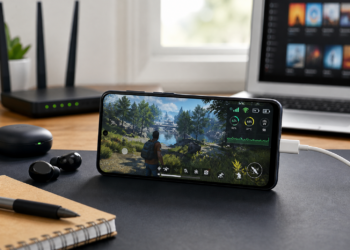
The best lag fixes are boring in a good way. They are the small changes that make a phone behave predictably: fewer background tasks, enough free storage, stable network, moderate graphics, and less heat. This guide keeps the advice practical so you can test it while the problem is still fresh.
A good test is to play the same level twice: once with your normal setup and once after the changes. Do not compare a quiet training room with a busy online fight. Mobile games can feel completely different depending on the scene, server, and number of effects on screen.
Close the right background apps
Closing every app all the time is not magic, but closing heavy apps before gaming can help. Video apps, browsers with many tabs, screen recorders, file downloads, VPNs, and social apps can all compete for memory or network. Use the recent apps screen to close the obvious heavy ones, then wait a few seconds before opening the game. Do not keep tapping cleaner buttons every minute while gaming, because that can interrupt useful cached processes. The goal is not to make Android empty. The goal is to stop a few noisy apps from fighting the game.
Lower graphics in a balanced way
Many players lower every setting to minimum, then hate how the game looks and change everything back. A better approach is to lower the settings that hurt performance most. Shadows, reflections, high frame-rate modes, anti-aliasing, and ultra textures are usually expensive. Resolution scaling and effects quality can also matter in open-world games. Keep textures medium if the phone has enough storage and memory, but reduce shadows and effects first. If the game offers a stable 30 FPS mode, try it. A steady 30 often feels better than a phone chasing 60 and dropping constantly.
Make the network more stable
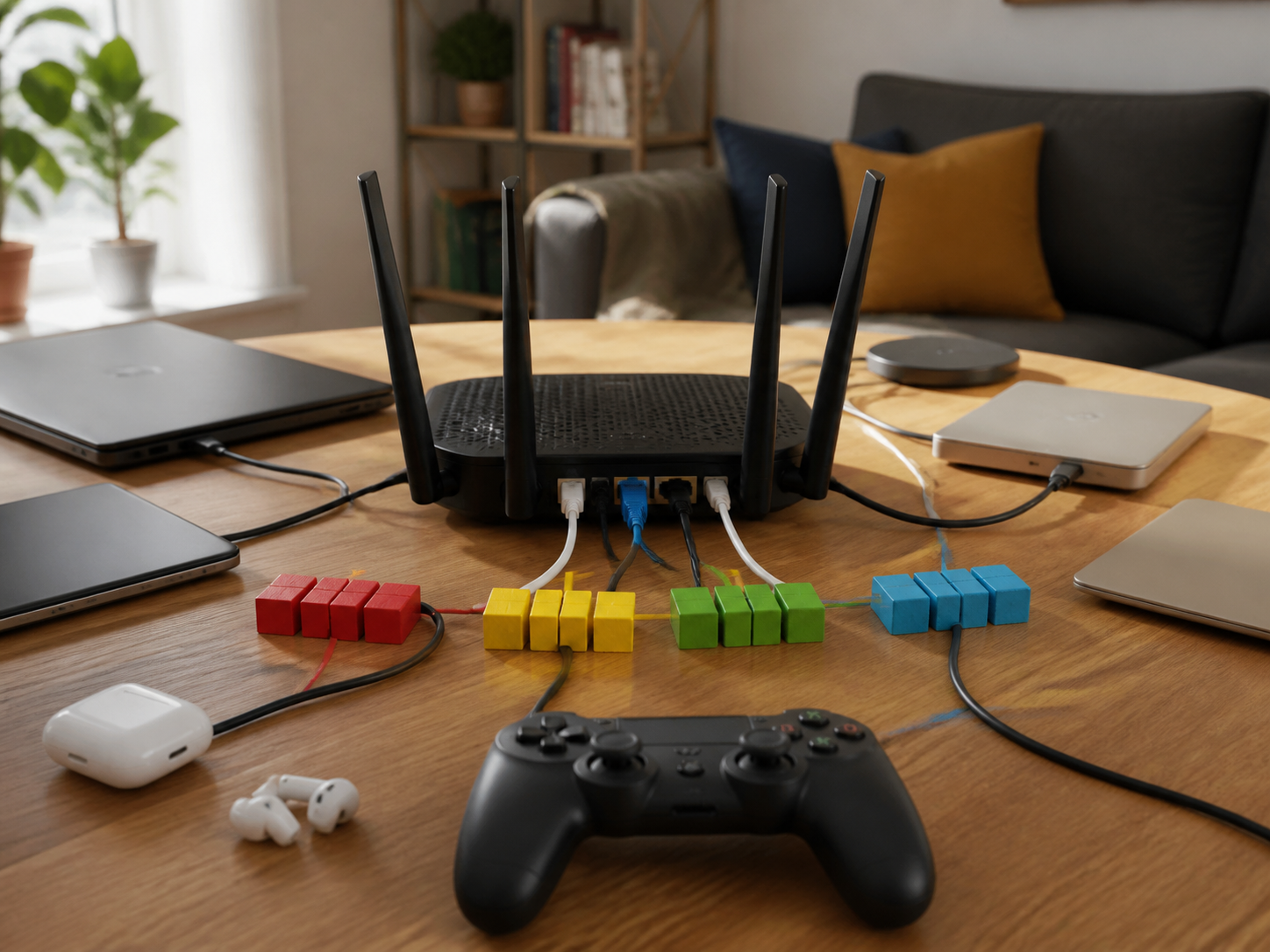
For online games, stability matters more than headline speed. A speed test can look good while the game still suffers from packet loss or ping spikes. Move closer to the router, use 5 GHz Wi-Fi only if the signal is strong, and pause downloads or cloud backups. If many people share the same Wi-Fi, try playing at a quieter time or switch to mobile data for a test. Some games also connect to faraway servers automatically, so check the server region in the game settings. A lower graphics setting will not fix a bad route to the server.
Use battery modes carefully
Battery saver can reduce background activity, but it can also limit CPU speed and make games worse. Performance mode can help, but it may create more heat and drain. Test both for ten minutes instead of assuming one is always better. On many phones, the best option is normal battery mode with the game added to any built-in game mode. Turn off auto brightness if it keeps pushing the screen too high, and use a brightness level you can see comfortably. Battery settings should support steady play, not force the phone into a hot sprint.
Update with caution
Updates can fix game issues, but they can also create new ones for a few days. Keep the game updated if it is an online title, because old versions may connect poorly or crash. For Android system updates, give the phone time to settle afterward: apps re-index, caches rebuild, and background services may run more than usual. Restart once after updates finish. If lag starts immediately after a specific update, check recent reviews for the same device or game. That helps you decide whether to change settings or wait for a patch.
Test one change at a time
The easiest way to get lost is to change ten things and then not know what worked. Try one fix, play the same map or mode for a few minutes, and notice the result. Start with heat, then storage, then background apps, then graphics, then network. If one game lags and every other game is fine, the game itself may be poorly optimized for your phone. If every game lags, the phone setup is more likely the issue. Keeping the test simple makes your next step obvious.
Know when the phone is the limit
Some games are simply too heavy for certain devices. If your phone has limited RAM, an older processor, or nearly full storage, you can still improve the experience, but you may not get high graphics and high frame rate at the same time. Choose stable settings, avoid long overheated sessions, and look for lighter versions or similar games built for lower-end phones. A realistic setup is better than forcing settings that look good for screenshots but feel bad during play.
Bottom line
If the problem comes back, repeat the checklist in the same order: heat, storage, background apps, graphics, network, updates. That routine keeps you from chasing random fixes and makes it easier to find the real cause next time.