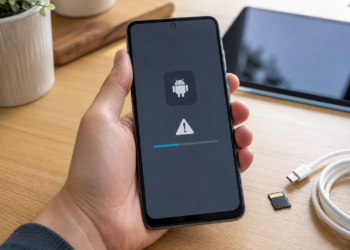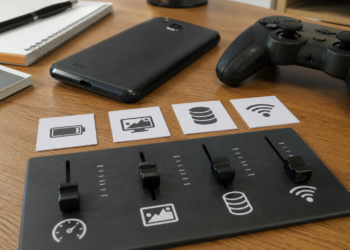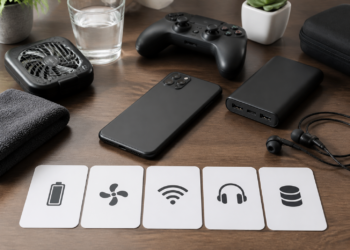

When a mobile game starts lagging, most people blame the phone first. Sometimes that is fair, but lag is usually a mix of heat, storage, memory, graphics settings, and network stability. The useful part is that you do not need to guess wildly. You can work through the symptoms and remove the biggest causes one by one.
Quick check before you start: restart the phone once, make sure the game is not downloading extra resources, and play one short round without screen recording. If that short test is smoother, the problem is probably not the game alone. It is something around the game stealing heat, memory, or bandwidth.
Use battery modes carefully
Battery saver can reduce background activity, but it can also limit CPU speed and make games worse. Performance mode can help, but it may create more heat and drain. Test both for ten minutes instead of assuming one is always better. On many phones, the best option is normal battery mode with the game added to any built-in game mode. Turn off auto brightness if it keeps pushing the screen too high, and use a brightness level you can see comfortably. Battery settings should support steady play, not force the phone into a hot sprint.
Update with caution
Updates can fix game issues, but they can also create new ones for a few days. Keep the game updated if it is an online title, because old versions may connect poorly or crash. For Android system updates, give the phone time to settle afterward: apps re-index, caches rebuild, and background services may run more than usual. Restart once after updates finish. If lag starts immediately after a specific update, check recent reviews for the same device or game. That helps you decide whether to change settings or wait for a patch.
Test one change at a time
The easiest way to get lost is to change ten things and then not know what worked. Try one fix, play the same map or mode for a few minutes, and notice the result. Start with heat, then storage, then background apps, then graphics, then network. If one game lags and every other game is fine, the game itself may be poorly optimized for your phone. If every game lags, the phone setup is more likely the issue. Keeping the test simple makes your next step obvious.
Know when the phone is the limit
Some games are simply too heavy for certain devices. If your phone has limited RAM, an older processor, or nearly full storage, you can still improve the experience, but you may not get high graphics and high frame rate at the same time. Choose stable settings, avoid long overheated sessions, and look for lighter versions or similar games built for lower-end phones. A realistic setup is better than forcing settings that look good for screenshots but feel bad during play.
Start with the symptom
Before changing settings, notice how the lag feels. If the game runs well for five minutes and then gets choppy, heat is probably involved. If it freezes when a match starts or when you enter a busy area, memory and storage may be the issue. If characters jump around, shots register late, or the game suddenly rewinds your movement, that is usually network instability. Different lag has different causes, and treating all of it the same wastes time. Write down when it happens: after charging, on mobile data, during downloads, after an update, or only in one game. That small note often points to the fix faster than any app can.
Check heat before everything else
Heat is one of the most common reasons games slow down on Android. A phone can open a game smoothly, then reduce performance as the processor warms up. This is normal protection, but it feels like sudden lag. Remove thick cases during long sessions, avoid playing in direct sun, and do not charge while playing heavy games unless you really need to. If the phone is already warm from video, maps, or downloads, give it a few minutes before launching the game. Cooling the phone will not turn a budget device into a flagship, but it can stop the sharp drop that ruins a match.
Free storage the safe way
Low storage can make games stutter because the phone has less room for cache files and temporary data. Try to keep at least 10 to 15 percent of storage free. Start with large videos, duplicate downloads, old APK files, and app caches from streaming or social apps. Be careful with folders you do not understand, especially game data folders, because deleting the wrong files may force a huge re-download. If a game lets you clear only temporary resources inside its settings, use that first. Storage fixes are not glamorous, but they often help older phones feel less stuck.
Bottom line
The main idea is to make the phone predictable. Keep it cooler, give it breathing room, lower the heaviest settings, and make the connection stable. Once the game stops fighting the device, even an older Android phone can feel much more playable.